
Alloy K
Controlled Expansion Alloy
Highly suitable for producing durable and reliable glass-to-metal and ceramic-to-metal hermetic seals.
Alloy K is a precision-engineered iron-nickel-cobalt controlled expansion alloy manufactured to ASTM F15 specifications and designated as UNS K94610 and Werkstoff 1.3981. The alloy is specifically developed for applications requiring thermal expansion characteristics closely matched to borosilicate glass and alumina ceramics.
Due to its excellent compatibility with sealing glasses and technical ceramics, Alloy K (ASTM F15) is widely used in demanding industries where hermetic sealing, airtight performance, and long-term reliability are critical. Typical applications for UNS K94610 / 1.3981 include CT scanner assemblies, microwave and vacuum tube components, optoelectronic devices, electronic connectors, and hermetically sealed hybrid packages.
Heat Treatment
Alloy K (UNS K94610) is normally supplied in the annealed condition in accordance with ASTM F15 requirements, ensuring optimum dimensional stability, machinability, and performance during precision manufacturing processes. Unannealed bar stock and custom product forms can also be supplied for specialist processing applications and advanced engineering requirements.
Machining
Alloy K can be work-hardened, so it is essential to keep the material cool and maintain low tool speeds during machining. Compared to regular stainless steels, nickel-iron alloys may feel softer and more gummy when being machined.
Stock Availability
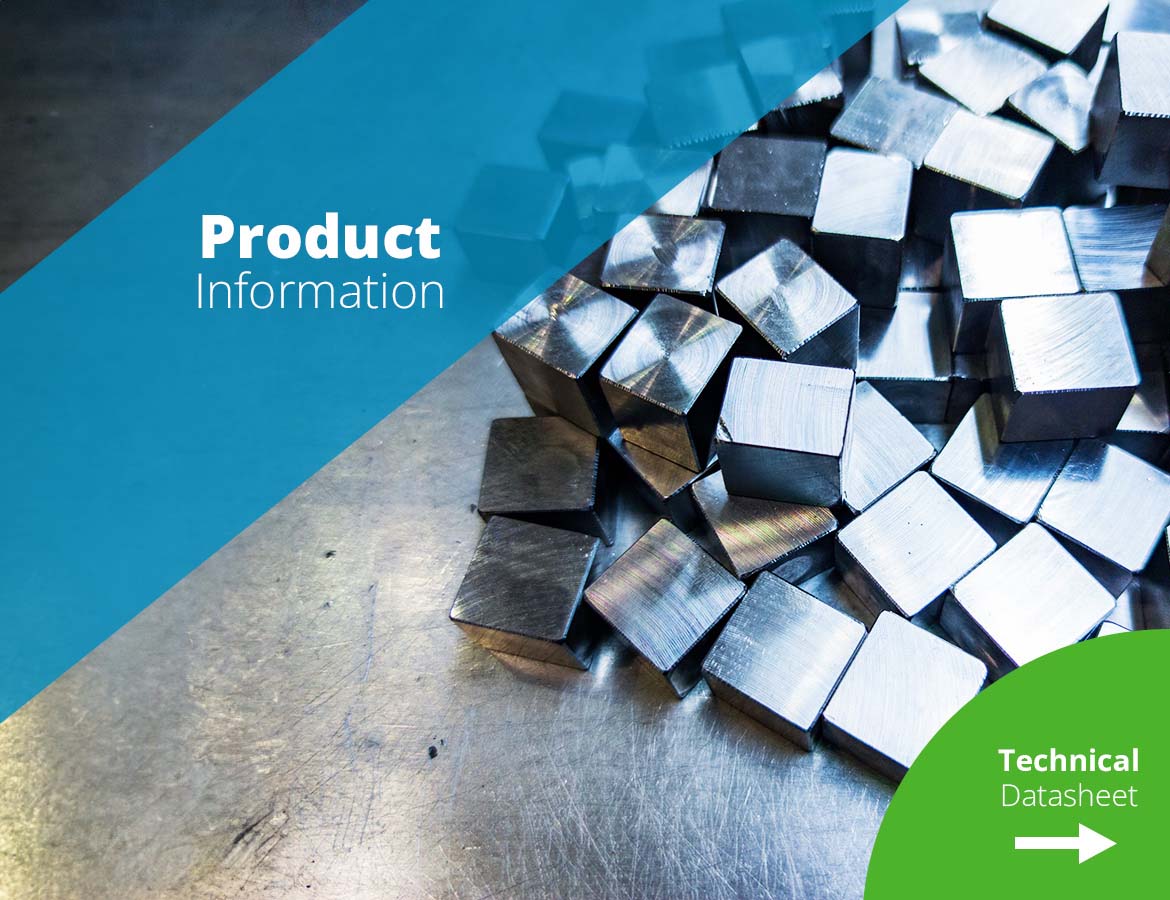
We stock Alloy K bars in diameters from 12.7mm to 240mm.
New Testing laboratory Testing laboratory
In 2024, our UKAS Materials Testing Laboratory relocated to a new, expanded, dedicated site in Biggleswade.
Discover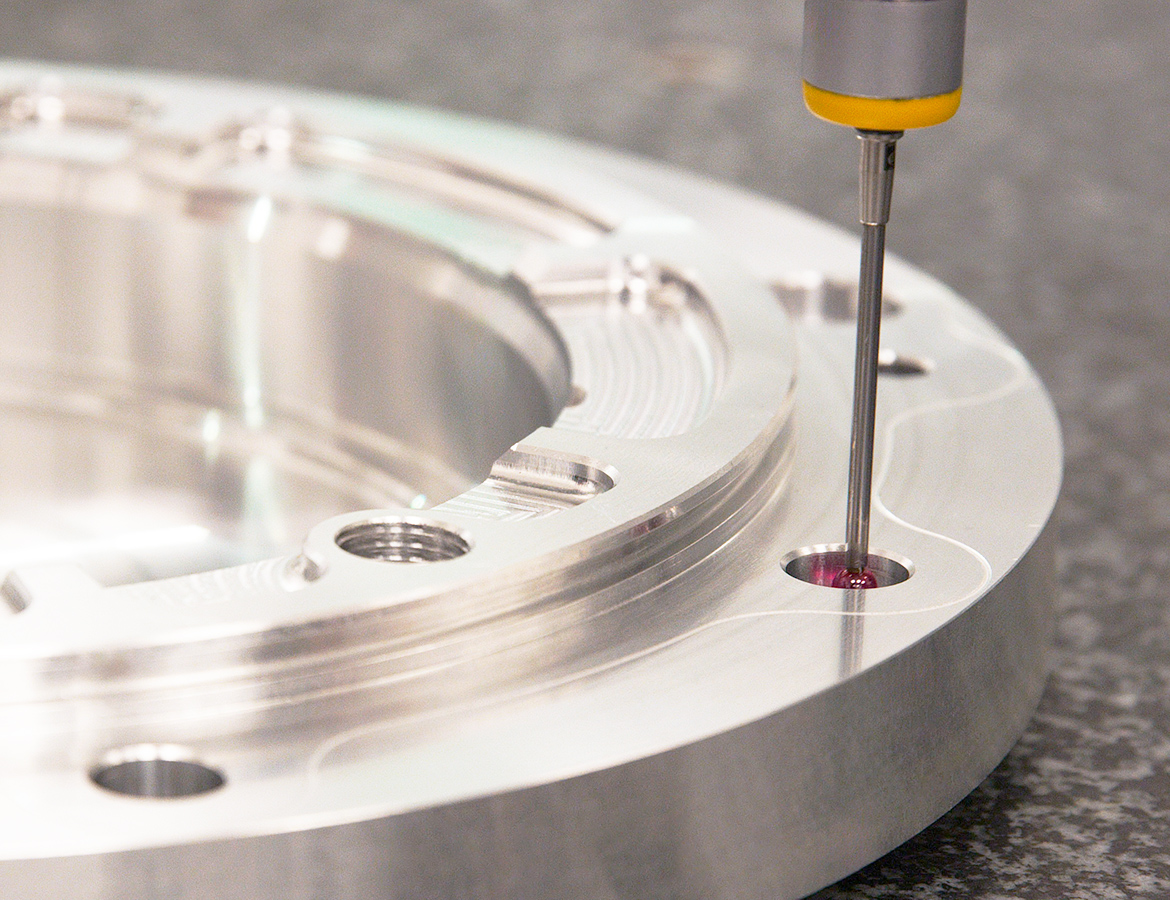

- ASTM F15
- UNS K94610
- 1.3981
- CT scanner components
- Hermetically sealed packages
- Glass-to-metal seals
- Ceramic-to-metal seals
- Reliable performance in extreme environments
- Excellent for glass and ceramic hermetic sealing
- Good dimensional stability during thermal cycling
- Controlled and stable coefficient of thermal expansion up to 500°C