
Alloy 42
Controlled Expansion Alloy
Manufactured in accordance with ASTM F30 and designated as UNS K94100, Alloy 42 is engineered to deliver a consistently low coefficient of thermal expansion over a wide temperature range - typically from 20 °C to 300 °C, and up to 450 °C in some applications.
This predictable thermal expansion makes Alloy 42 ideal for hermetic sealing applications involving glass and ceramic materials. Its expansion characteristics closely match those of silicon and advanced ceramics, such as alumina, beryllia, and vitreous glass, ensuring durable, leak-free glass-to-metal and ceramic-to-metal seals.
Thanks to its dimensional stability under thermal cycling, iron nickel 42 is widely specified in electronic, aerospace, and high-reliability industrial applications where precision and long-term performance are critical.
Heat Treatment
Alloy 42 (UNS K94100) is typically supplied in the annealed condition as per the ASTM F30 specification, with unannealed bars available upon request to meet specific application needs. Machined components should be annealed in an inert gas atmosphere for 30 minutes per inch thickness at 788 °C and furnace cooled.
Machining
Alloy 42 can be work hardened, so it is essential to keep the material cool and tool speed low. Nickel iron alloys can seem to be rather soft and gummy during machining compared to regular stainless steels.
Stock Availability
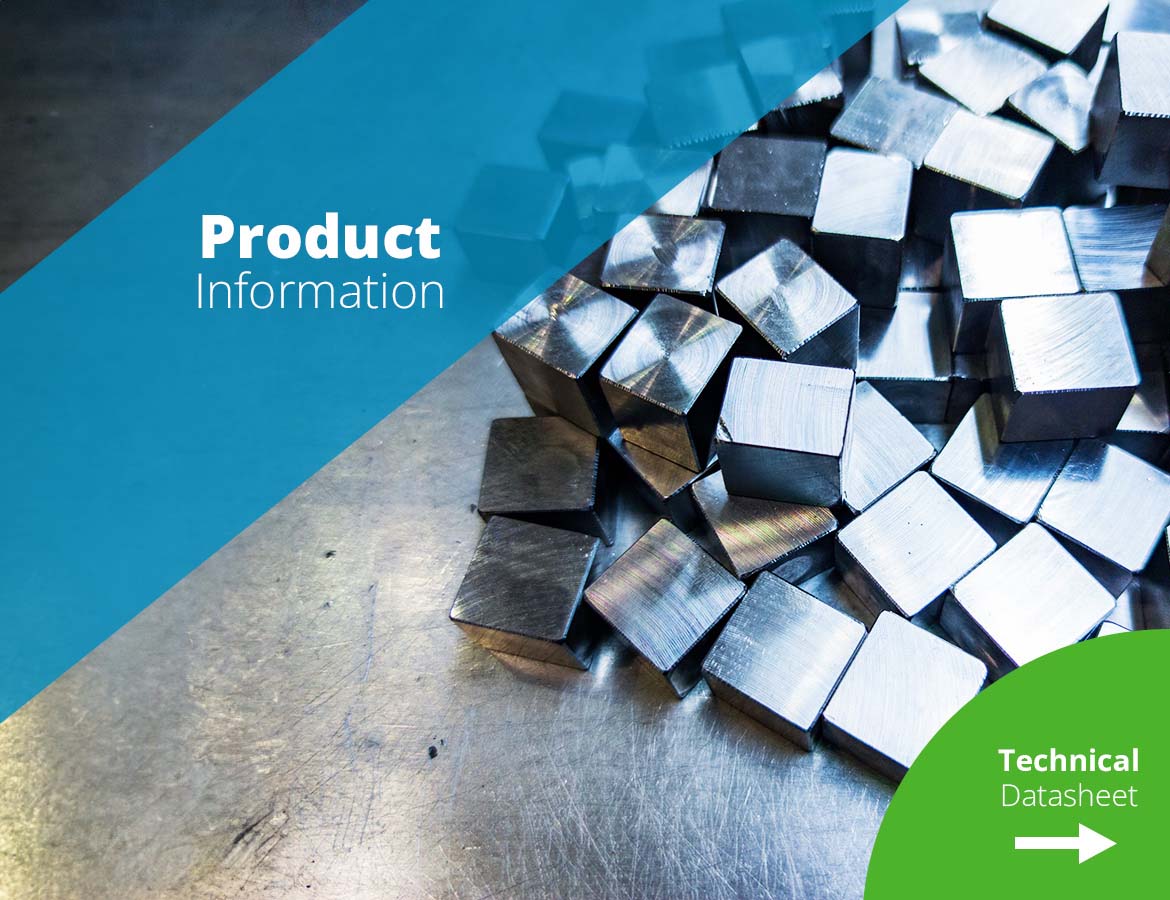
We stock Alloy 42 bars in diameters from 12.7mm to 63.5mm.
New Testing laboratory Testing laboratory
In 2024, our UKAS Materials Testing Laboratory relocated to a new, expanded, dedicated site in Biggleswade.
Discover

- ASTM F30
- UNS K94100
- Lead frames and precision flexible seals
- Automotive, industrial, and electric lamp assemblies
- Hermetic enclosures and ceramic feed‑throughs
- Electronic tubes, CRT electron guns, and vacuum devices
- Low and stable coefficient of thermal expansion
- Superior thermal shock and crack resistance
- Compatible with ceramic and selected glass systems
- Ideal for long‑lasting hermetic and vacuum seals